Skin Pack Manufacturers: How to Choose the Right Food Packaging Partner
News 2022-06-14
Sourcing from the right skin pack manufacturers can determine whether your fresh meat, seafood, or cheese reaches buyers looking as good as the day it was packed. For importers, food processors, and packaging distributors, a skin pack — also called vacuum skin packaging (VSP) — forms a tight second skin around the product, locking in freshness while showing it off through a clear film. Most experienced skin pack manufacturers do more than sell a roll of film; they manage an entire material system. This guide walks B2B buyers through what these suppliers actually produce, how the technologies differ, and the questions that separate a dependable factory from a risky one.
What Is a Skin Pack Manufacturer (and What Do They Actually Make)?
A skin pack manufacturer is not simply a film converter. The stronger suppliers run integrated production: extrusion or casting of the top web (the skin film), thermoforming of trays or boxes, and the converting equipment that seals them together under vacuum. When you evaluate skin pack manufacturers, it helps to look at the full chain rather than a single component.
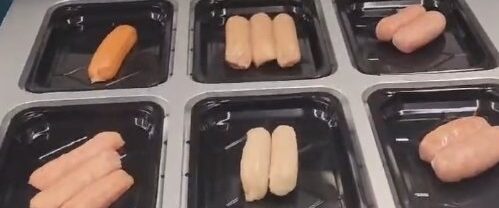
Leading skin pack manufacturers publish film data sheets and tray specifications so buyers can verify performance before ordering. A complete skin packaging system usually includes three parts:
- The skin film (top web): a heat-softened film that drapes over the product and bonds to the tray flange. Common materials are PETG, PE, Surlyn (ionomer), EVOH, and PVC.
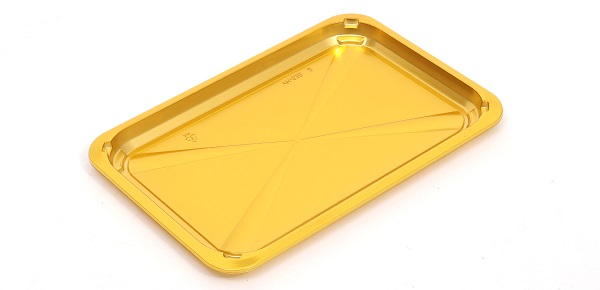
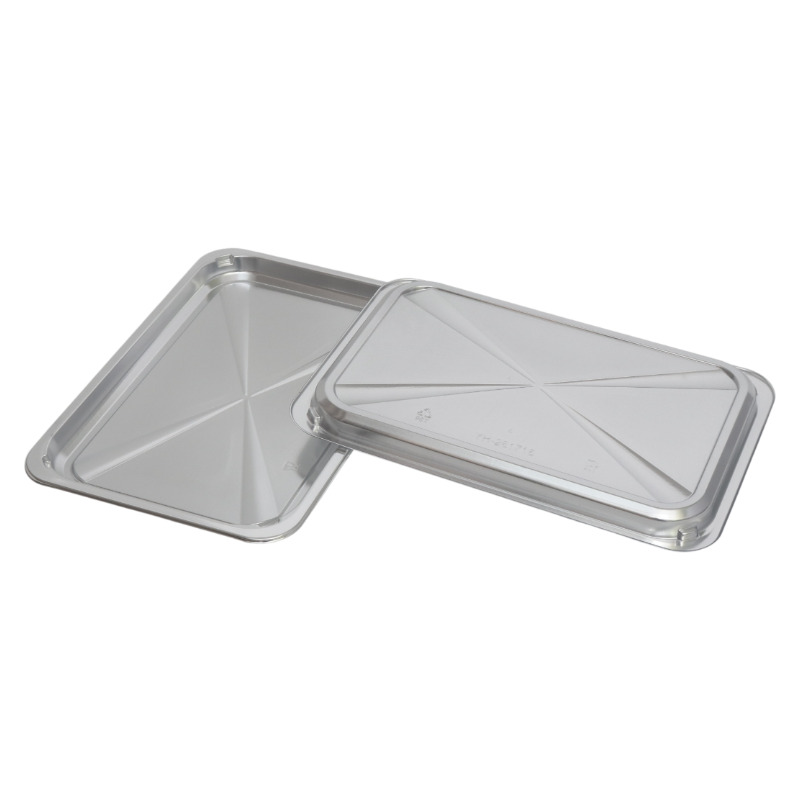
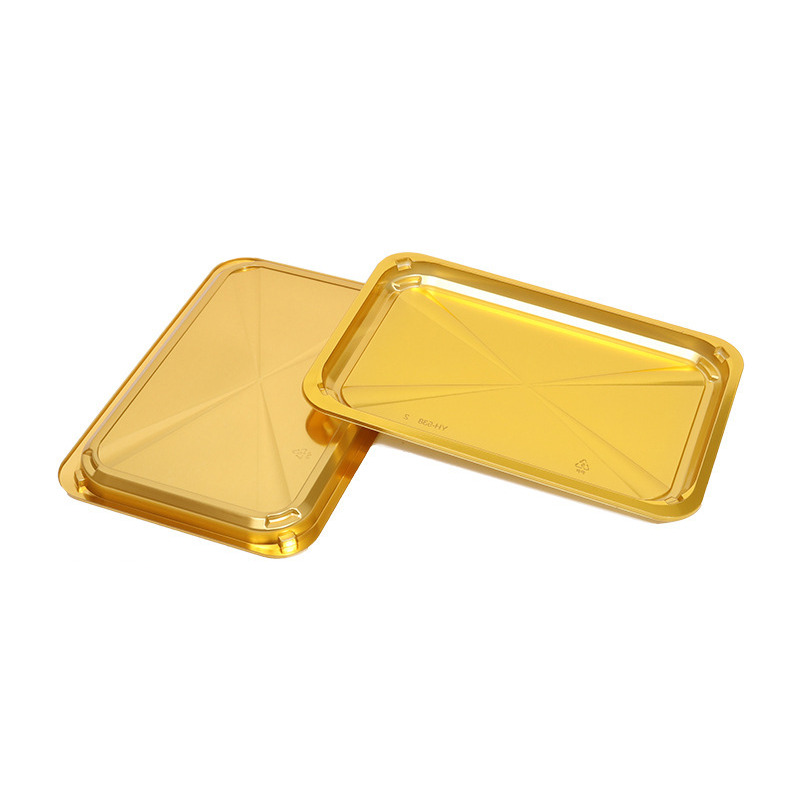
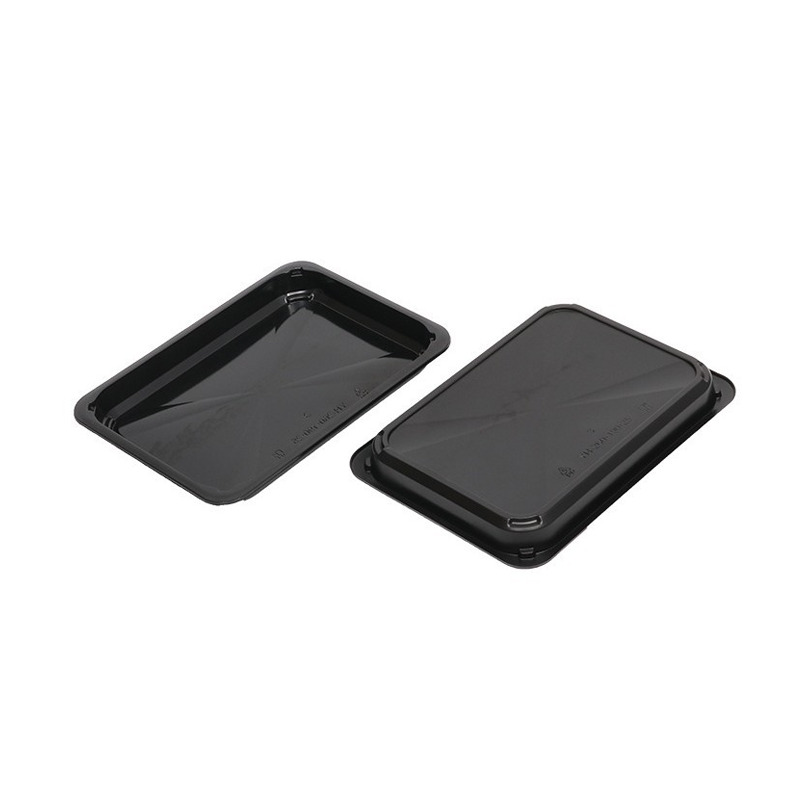
- The tray or box (bottom web): rigid or semi-rigid PET, PP, or coextruded trays that hold the product and provide barrier.
- The sealing process: vacuum draws the film tight; for MAP, a protective gas mix is flushed before sealing.
Understanding this trio is the first step to comparing skin pack manufacturers on equal terms, because two quotes that look similar on paper may cover very different scopes of supply.
Why Skin Packaging Matters for Food Businesses
For B2B buyers, skin packaging is rarely about looks alone — it is about reducing loss and protecting margin across the cold chain.
- Longer shelf life. Vacuum or MAP skin packs slow oxidation and microbial growth, giving retailers and distributors more sell-by days.
- Less leakage and odor transfer. A tight film-to-tray seal contains purge and juices, keeping shelves clean and preventing cross-contamination between products.
- Premium presentation. The “second skin” look signals freshness and quality, supporting higher price points in meat, seafood, and cheese categories.
- Reduced shrink. By containing liquid and protecting edges, skin packs cut the spoilage and rework that eat into processor profitability. That is why serious skin pack manufacturers invest in anti-puncture and high-barrier films rather than commodity rolls.
When skin film manufacturers and tray makers work from a single specification, the result is a consistent seal — and consistency is what food buyers pay for over the long run.
VSP vs MAP vs Anti-Puncture Film: Choosing the Right Technology
Not every food needs the same approach. The three main formats B2B buyers encounter are:
Vacuum Skin Packaging (VSP): The film is vacuum-drawn directly onto the product and tray. Best for irregular shapes (bone-in cuts, seafood, cheese blocks) where a glove-tight fit is the selling point.
Modified Atmosphere Packaging (MAP): A gas mix (often CO₂/N₂) is flushed into a pre-formed tray before a lidding film seals it. MAP favors uniform products and very long shelf-life targets. Most skin pack manufacturers offer both VSP and MAP lines, letting buyers match the format to each product.
Anti-Puncture Film: A reinforced skin film — typically PETG or Surlyn-based — engineered to resist punctures from bones, shells, and sharp edges. Essential for bone-in meat and crustacean products.
PETG vs PVC: The Material Question B2B Buyers Ask
Among skin film suppliers, the PETG vs PVC debate comes up often. PETG (glycol-modified PET) offers high clarity, strong puncture resistance, and better alignment with recyclability goals. PVC is generally cheaper but is falling out of favor in food markets due to environmental and regulatory pressure. For most export-oriented food brands, PETG or Surlyn-based films are the safer long-term choice, especially when paired with EVOH for high barrier.
How to Evaluate and Select Skin Pack Manufacturers
Choosing among skin pack manufacturers should be a structured decision, not a price-only race. Consider these criteria:
- Production scope. Do they make both film and trays, or only one? Integrated suppliers reduce compatibility risk.
- Capacity and automation. Automated casting and thermoforming lines improve consistency and lower defect rates at volume.
- Lead time and stock. For spot orders, ask about warehouse stock and same-day or 24-hour shipping policies.
- Customization (OEM/ODM). Can they match your thickness, width, print, and tray geometry?
- Certifications and food contact compliance. Confirm relevant food-safety and material declarations for your target markets.
- Sampling process. A reliable partner ships representative samples and material data sheets before you commit to a container. Reputable skin pack manufacturers also welcome factory audits and provide references from existing food clients.
Factory-direct skin pack suppliers often shorten lead times by several days versus trading companies, because there is no middle layer between production and your warehouse.
Application Examples by Food Type
Different foods stress the packaging in different ways. Here is how buyers typically match the format:
- Meat (beef, pork, lamb, poultry, bacon, ham, deli): VSP with anti-puncture PETG/Surlyn film handles bones and edges while keeping purge contained.
- Seafood and shellfish: High-barrier film plus a tight seal protects delicate fillets and resists punctures from shells and fins.
- Cheese: Blocks and shredded cheese benefit from low-oxygen VSP that slows mold and preserves texture.
- Fresh produce and berries: Breathable or micro-perforated skin formats extend shelf life without trapped moisture.
- Frozen food: Skin packs survive freeze-thaw cycles better than loose wrapping, reducing freezer burn. Forward-looking skin pack manufacturers now develop recyclable and compostable film options for export markets.
For any of these categories, the right food skin packaging manufacturers will tune film thickness, barrier layer, and tray depth to the exact product rather than offering a one-size-fits-all roll.
OEM, ODM, and Customization: What B2B Buyers Should Ask
If you plan to sell under your own brand, ask skin film manufacturers about OEM and ODM early. Key questions include:
- Can you produce private-label film and trays with our specifications?
- What is the minimum order quantity for a custom formulation or printed design?
- Do you provide coextruded or multi-layer films (for example PETG/EVOH/PE) for high barrier?
- How do you handle color, anti-fog, and microwaveable requirements?
A capable partner treats customization as engineering, not just printing — they will review your product, cold-chain route, and shelf-life target before recommending a structure.
Frequently Asked Questions
What is the difference between skin packaging and vacuum packaging?
Traditional vacuum packaging uses a loose pouch that removes air around the product. Skin (VSP) packaging instead drapes a heated film tightly over the product and seals it to a tray, creating a form-fit “second skin.” The result is a clearer, more retail-ready presentation with better product protection — which is why many skin pack manufacturers position VSP as the premium format.
Can skin pack manufacturers supply both film and trays?
Many do, especially integrated factories. Buying film and trays from one source improves seal compatibility and simplifies quality claims. If a supplier only sells film, confirm it is matched to the tray material and flange design you plan to use.
How quickly can I receive samples or start mass production?
This varies, but factory-direct skin pack suppliers with tray stock and automated lines often ship samples within days and support 24-hour spot shipments for standard items. Custom OEM runs take longer due to formulation and tooling, so build lead time into your launch plan.
Talk to a Packaging Partner, Not Just a Vendor
If you are comparing skin pack manufacturers for your product line, [Your Brand] offers R&D-driven, factory-direct skin film, VSP/MAP trays, and anti-puncture solutions with OEM/ODM support and 24-hour spot shipping. Our integrated film-and-tray model is built to give food importers, processors, and distributors a consistent, leak-free seal across meat, seafood, cheese, produce, and frozen categories.