Skin Packaging Equipment Manufacturers: Evaluating Film and Tray Compatibility
News 2026-11-26
Skin packaging equipment manufacturers can all quote a machine; fewer can say which films and trays were running when they measured the cycle rate. That gap is where a shortlist goes wrong. The datasheet describes motion — indexing, heating, vacuum timing — but a clean line turns into wrinkled packs and flange leaks when the web and tray do not match it. We are a film and tray supplier, not a machine builder, so the view here runs from the consumables outwards. The checklist further down turns that into questions you can put to any builder, and cycle speed takes its place among them rather than leading the conversation.
Why Film Compatibility Belongs in the Machine Decision
A machine decides the motion: tray indexing, web heating, vacuum timing. Consumables decide the result. A shortlist of skin packaging equipment manufacturers that ignores film and tray leaves the biggest source of variation outside the evaluation. That is the view we bring as a consumables supplier.
Many buyers start with skin packaging machine suppliers and ask about throughput first. Throughput matters, but only when the seal holds. A web that tracks badly or a tray with a warped flange stops a line as effectively as a mechanical fault. Recognise the difference between a machine that can run a format and one that runs it consistently over a shift.
We judge a machine by how well it runs the film and tray we specify. When a builder presents a configuration, ask which webs and trays were used for the quoted cycle rate. If the answer is missing, the number may describe a demonstration tray. Ask again when comparing on price.
The Three Machine Categories You Will Meet
Most skin pack machinery suppliers offer three broad categories, each with a different relationship to consumables.
- Desktop semi-automatic VSP: about 2–4 cycles per minute with preformed trays or skin board. Loading is manual, so labour dominates cost.
- Inline automatic tray VSP: about 6–12 cycles per minute with servo feed, suited to steady runs of standard trays.
- Continuous thermoforming skin line: about 15–30 cycles per minute, forming the bottom web from roll stock and running a top skin web.
Published configurations list vacuum pumps in bands such as Busch 40–63, 100–160 and 200–300 cubic metres per hour, with controls from digital displays to Siemens or Omron programmable logic controllers. Those details describe capability, not suitability. Choose the category before you compare skin packaging equipment manufacturers, then shortlist within it. A broad catalogue is not depth in your category. Ask which category fits your SKU count.
Film-to-Machine Fit: The Parameters That Actually Matter
Once the category is clear, check the web interface. A meeting with skin packaging equipment manufacturers should produce answers on unwind diameter, core size, web width, film index control and heating uniformity. A common roll diameter in published specifications is 220 mm, and three-inch cores are typical on food lines. Widths of 250, 360 and 760 mm appear across machine sizes, so confirm the door width before committing to a reel.
Heating uniformity matters when a supplier specifies a skin web, because uneven heat gives one lane that bridges and another that sags. Film index control decides how accurately the machine advances the web; imprecise indexing wastes film and shifts print. Confirm a VSP-capable sealing stage if you plan vacuum skin packs.
Film data sheets from GreenPak and CHEMPEOPLE state compatibility with Multivac, Ulma and Variovac systems, so ask how web qualification was done. Our compatible skin film rolls note lists the parameters we check on trial. Any builder on your list should answer those parameters. If one cannot name the films run on the line, treat the gap as risk.
Tray Compatibility and Format Flexibility
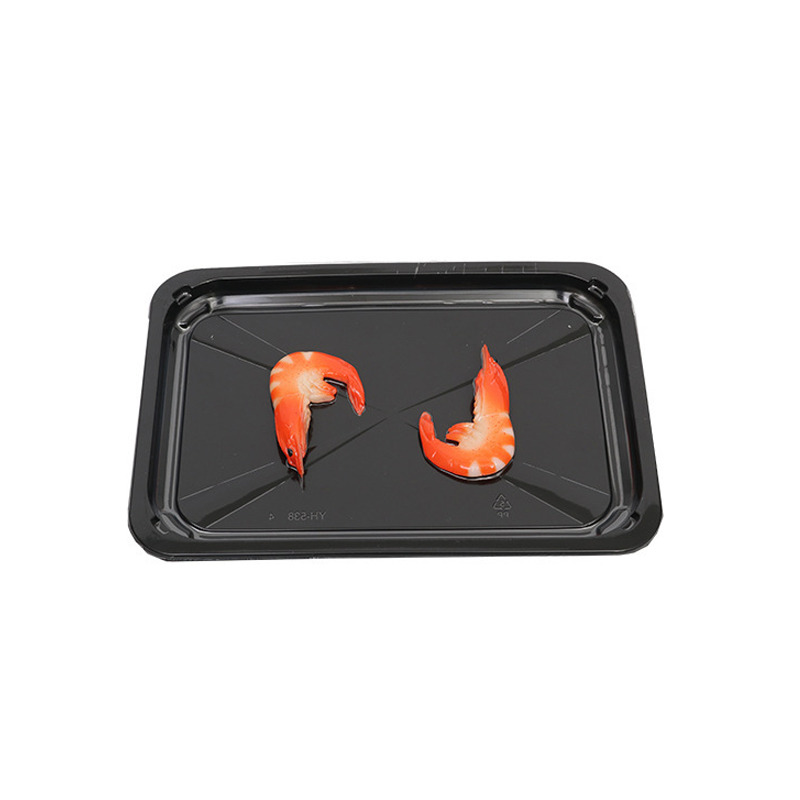
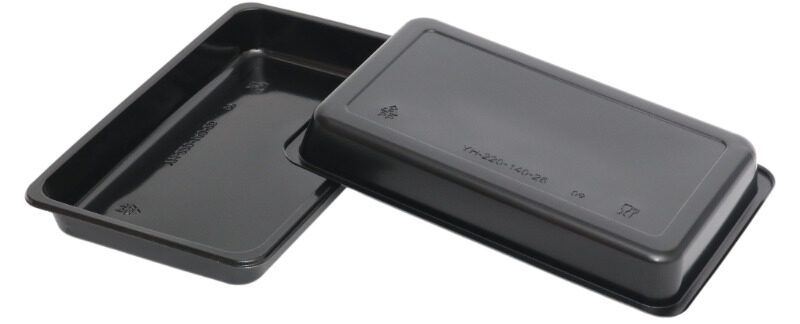
The tray is the other half of the seal. PP, PET, PS, PE and aluminium behave differently under heat, and a sealing layer chosen for one may fail on another. Flange flatness matters as much as polymer: a warped rim gives intermittent leaks that are blamed on film.
Industry analysis notes that skin-on-board supply has tightened, pushing processors towards shallow PP and PET trays. PET sealing is reported as harder than PP and may need a specific adhesive layer or glued-edge tray. Our VSP food trays note describes suitable formats. If you move from board to a shallow tray, run the tray change and the machine change as one project.
For skin packaging equipment manufacturers, format flexibility has a cost. A machine accepting many tray sizes helps short runs, but each size needs tooling and a sealing check. Ask which polymers were qualified and what changeover time is quoted for a tray format. When a cycle rate is given, ask which tray it describes. The tray decision belongs beside the shortlist.
What OEM / ODM Support Should Cover
When a builder configures a line, support from the consumables side means making the web fit it, not servicing the machine. It covers gauge and width choices, roll length, lock-seal or easy-peel behaviour, sample reels and trial attendance, plus the food-contact documents that belong with the web.
When skin packaging equipment manufacturers propose a line for a new product, involve the film and tray supplier at specification stage. Early involvement avoids buying a machine for one tray and developing a web later at extra cost. Tell the consumables partner the tray polymer, product shape, chilled or frozen distribution and target shelf life.
Our team can arrange sample reels and dispatch standard items within 24 hours for urgent trials, and can indicate whether a proposed film fits a web width or core. We do not provide machine service or equipment quotations. Ask who pays for the trial. When the machine side is handled by the builder, we handle the film and tray; the trial is where the two meet.
Total Cost of Ownership Beyond the Machine Price
When skin packaging equipment manufacturers quote a price, that figure is the visible cost. Film per pack, changeover downtime, edge trim, leak rework and shelf-life loss accumulate quietly. A cheaper machine with a narrow sealing window can cost more in a year than a better machine with a forgiving one. Any machine quote should include those running costs.
Published commentary on VSP versus overwrap, citing Ossid through Flexible Packaging Insider, puts changeover at 80–85 trays per minute for VSP against 60–65 for overwrap in the example discussed. The same analysis notes that an external sleeve or label instead of printed film reduces downtime from changing reels — a consumables decision with a direct effect on uptime.
Spares and response time belong in any comparison. In a high-output plant, a part that takes a week to arrive costs more than a small price difference at purchase. Builders should state spare availability and service coverage for your region. A quote that covers only capital cost invites the wrong comparison. Weigh service against film cost per pack; both recur.
A Consumables-First Evaluation Checklist
Put the machine, film and tray on one page before visiting suppliers.
- Machine category and realistic cycles for your tray, not a catalogue maximum.
- Web width, roll diameter and core size, checked against the unwind stand.
- Film behaviour: heating uniformity, index control and VSP-capable sealing.
- Tray polymer, flange flatness and any glued-edge requirement.
- Food-contact documents appropriate to your market.
- Trial results on your product, including seal consistency and shelf-life observation.
- Spare-part availability, service response and integration capability.
Some skin packaging line manufacturers offer film, board, tray and machine together; others focus on equipment alone. Both models can work if skin packaging equipment manufacturers and consumable partners qualify each component together. Check incumbent compatibility here too: a web passing on one machine may need different sealing conditions on another. Take this list into supplier meetings. Shortlisted builders should answer each line with evidence. Our supplier evaluation guide sets out how to compare partners once the technical list is complete.
Do equipment builders also supply film and trays?
Some offer a complete package; others build machines only. Dual sourcing works, but it puts compatibility risk on your team. Ask who takes responsibility when the seal fails, and insist on a trial with your product, film and tray. We do not rank builders; we help with the consumables side.
Can one film run on different skin-pack machines?
Usually yes, if width, core, diameter and sealing parameters match. The same film can behave differently where heating is uneven or indexing imprecise. Qualify it on the target machine rather than assuming a pass transfers to another line recommended by the builder.
What should I test before committing to a machine?
Bring your own product, tray and film. Check seal consistency across the web, time the format changeover and observe shelf life over a realistic period. Treat consumable compatibility as an acceptance criterion alongside cycle speed when you assess a builder, and record the film settings used.
Decide what has to run before deciding what will run it. A machine chosen around a known film and tray is harder to sell on a headline cycle rate, and the line has a better chance of holding yield once it is installed. Reverse that order and the comparison is made on the builder’s terms, with your consumables fitted in afterwards. The checklist exists so each meeting starts from your product, your tray and your web rather than from a catalogue maximum.
Before a machine is signed for, the consumables side deserves the same scrutiny. Youhe can look at that half of the shortlist and say where the film fit needs work. We are a film and tray supplier, not a machine builder, and our interest is a web that runs cleanly on whichever line you choose. Pass us the tray specification and the fit is the part we will speak to.